





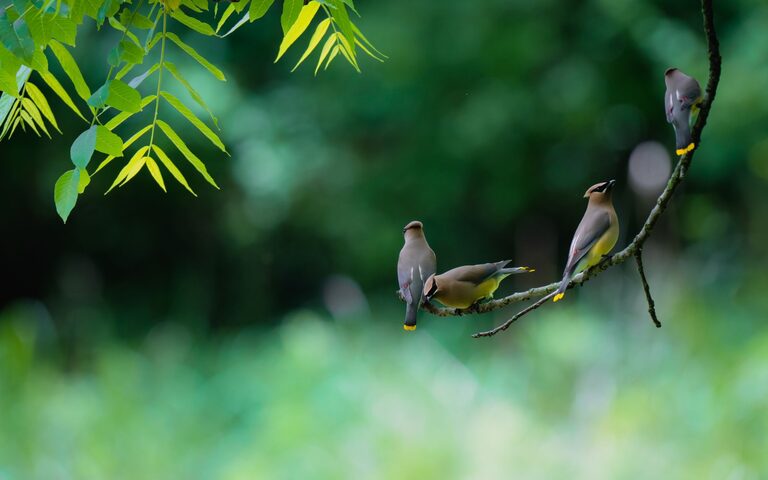
Birdwatching is a rewarding hobby that connects you with nature and offers a peaceful way to enjoy the outdoors. You don’t need to travel far or have special equipment to begin. Starting in your own backyard is a perfect way to learn about local birds and observe their behaviors up close. If you’re new to birdwatching, this guide will walk you through beginner tips to make your experience enjoyable and successful.
Why Backyard Birdwatching?
Backyard birdwatching is convenient, low-cost, and accessible to everyone. It lets you discover the variety of birds living nearby and provides a relaxing break from daily routines. Watching birds can improve your mood and deepen your appreciation for wildlife and the environment.
Getting Started: What You Need
1. Choose a Comfortable Spot
Find a quiet area in your yard or near a window where you can watch birds without disturbing them. A comfortable chair, a shaded area, or a peaceful corner will enhance your experience.
2. Get a Bird Identification Guide
A field guide or a bird identification app is helpful for recognizing different species. Look for guides that focus on your region to make identification easier.
3. Use Binoculars (Optional)
Binoculars help you see birds more clearly and appreciate their details. You don’t need expensive equipment—entry-level binoculars are perfect for beginners.
4. Keep a Notebook or Journal
Recording your sightings, noting behaviors, and jotting down descriptions will improve your observation skills over time.
Attracting Birds to Your Backyard
To enjoy more birdwatching opportunities, invite birds to visit your yard by providing food, water, and shelter.
1. Bird Feeders
– Types of Feeders: Tube feeders for small seed-eaters, platform feeders for larger birds, and suet feeders for insect-eating birds.
– Best Foods: Black-oil sunflower seeds attract many species, while thistle (nyjer) seed is great for finches. Avoid bread as it offers little nutrition.
– Placement: Place feeders in safe locations away from predators like cats, and near shrubs or trees where birds can perch.
2. Fresh Water Source
Birds need water for drinking and bathing. A shallow birdbath or a small fountain with clean water will bring birds close and help keep your yard lively.
3. Natural Shelter
Plant native trees, shrubs, and flowers to provide birds with places to rest and hide. Dense vegetation offers protection from weather and predators.
Tips for Successful Birdwatching
1. Be Patient and Quiet
Birds are easily startled. Move slowly and keep noise to a minimum to avoid scaring them away.
2. Watch at the Right Times
Early morning and late afternoon are the best times to see birds actively feeding and moving around.
3. Learn Bird Calls
Listening to bird songs and calls can help you identify species even when they are hidden in foliage.
4. Observe Behavior
Notice how birds feed, interact, and build nests to gain a deeper understanding of their habits.
Common Backyard Birds to Look For
Many backyard birds are easy to spot and identify. Some common species include:
– Northern Cardinal: Bright red males with a distinctive crest.
– American Goldfinch: Small yellow birds with black wings.
– Blue Jay: Blue, white, and black with a loud call.
– House Finch: Small birds with streaked brownish plumage and red heads.
– Black-capped Chickadee: Small, with a black cap and a friendly demeanor.
Keeping Your Backyard Birdwatching Ethical
– Avoid disturbing nests or birds during breeding season.
– Keep feeders clean to prevent disease.
– Use safe, bird-friendly pest control methods in your garden.
Enjoying Birdwatching Year-Round
Each season brings different bird species and behaviors. In spring and summer, look for nesting and fledglings; in fall, watch migration patterns; and in winter, enjoy species that stay year-round or visit feeders for food.
Final Thoughts
Backyard birdwatching is a wonderful way to connect with nature every day. With a little preparation, curiosity, and patience, you’ll soon find yourself recognizing birds by sight and sound and appreciating the colorful wildlife sharing your backyard. Happy birdwatching!



More Stories