




Planning meals from pantry staples is a smart and efficient way to enjoy homemade dinners without last-minute trips to the grocery store. Whether you’re aiming to save money, reduce food waste, or simply make cooking easier, mastering the art of using pantry essentials can transform your meal prep routine. In this post, we’ll explore practical steps to plan meals using what you already have on hand, plus ideas to inspire tasty and nutritious dishes.
Why Plan Meals Around Pantry Staples?
Your pantry is a treasure trove of ingredients that can become the foundation of many meals. Planning around these staples means:
– Saving time by minimizing extra shopping trips.
– Reducing food waste by using what you already own.
– Lowering food costs since pantry items are often less expensive.
– Encouraging creativity by mixing and matching flavors and textures.
With a little organization and creativity, pantry staples can help you prepare comforting, healthy meals any day of the week.
Step 1: Take Inventory of Your Pantry
Start by knowing exactly what you have. This step is important to avoid duplicates and find new meal ideas.
– Sort items by category: grains, canned goods, spices, baking essentials, etc.
– Check expiration dates and toss anything expired.
– Make a list of common staples such as rice, pasta, beans, canned tomatoes, broth, oils, and spices.
– Note versatile ingredients that can be used in multiple recipes.
Keeping an updated pantry list (either on paper or digitally) is a helpful reference for weekly meal planning.
Step 2: Identify Protein Sources in Your Pantry
Many pantry staples can provide protein, which is key for balanced meals. Common pantry protein sources include:
– Canned beans and legumes (chickpeas, black beans, lentils)
– Canned tuna or salmon
– Nut butters (peanut, almond)
– Nuts and seeds
– Shelf-stable tofu or textured vegetable protein (TVP)
Pairing these with grains or vegetables creates filling meals without fresh meat.
Step 3: Plan Your Meals Around Core Ingredients
Once you know what’s available, think about how you can combine staples into meals. Here are some strategies:
Use Grains as a Base
Grains like rice, quinoa, and pasta act as a blank canvas. Combine them with beans, canned vegetables, or sauces.
Example meals:
– Rice bowl with black beans, canned corn, salsa, and avocado
– Pasta with canned tomatoes, garlic, and dried herbs
– Quinoa salad with chickpeas and olive oil vinaigrette
Create One-Pot or Sheet Pan Meals
One-pot meals save time and cleanup by cooking everything together. Using pantry staples, you can make hearty soups, stews, or casseroles.
Example meals:
– Lentil soup with canned tomatoes and vegetable broth
– Chickpea curry with coconut milk and spices
– Tuna pasta bake using canned tuna and cheese
Embrace Simple Sauces and Seasonings
Even basic ingredients can be delicious with the right seasonings. Use olive oil, garlic, onion powder, chili flakes, and herbs to add flavor.
Tips:
– Mix canned tomato sauce with Italian seasoning for pasta.
– Combine peanut butter with soy sauce and lime juice for a quick Asian-inspired sauce.
– Use spices like cumin and coriander for warming, savory notes.
Step 4: Supplement with Fresh or Frozen Ingredients
Pantry staples work best when paired with fresh or frozen produce. Stock up on versatile items like onions, garlic, and carrots, which keep well.
– Frozen vegetables can be added directly to soups and casseroles.
– Fresh greens like spinach or kale can be sautéed to add color and nutrients.
– Fresh herbs add brightness and can be grown in small kitchen pots.
This combination helps balance convenience with nutrition.
Step 5: Organize Your Pantry for Easy Access
An organized pantry makes meal planning easier.
– Group similar items together (canned goods, baking items, snacks).
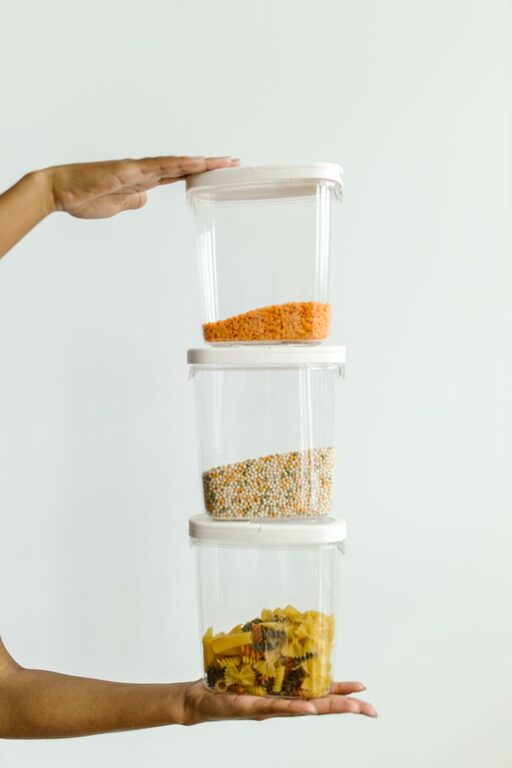
– Use clear containers or jars for dry goods (rice, flour, beans).
– Label shelves or bins so you can quickly find what you need.
– Arrange items so the oldest are front and newest are back, to prevent waste.
Step 6: Keep a List of Go-To Recipes
Having a few favorite recipes based on pantry staples helps when deciding what to cook.
Examples:
– Bean chili with canned tomatoes and spices
– Pasta with olive oil, garlic, and red pepper flakes
– Rice and lentil pilaf with herbs and lemon
You can build and customize this list over time.
Bonus Tips for Success
– Batch cook and freeze: Make large portions of soups or stews to enjoy later.
– Use leftovers creatively: Combine leftover grains and beans with a new sauce or veggies.
– Experiment with global cuisines: Many cultures use pantry staples uniquely—try Mexican rice and beans or Indian dal for variety.
– Stock up smartly: When replenishing your pantry, focus on versatile staples that suit your taste and cooking style.
Final Thoughts
Planning meals from pantry staples is a practical skill that saves time, money, and stress. By taking stock of what you have, organizing your pantry, and exploring diverse recipes, you can create delicious, nutritious meals with confidence every day. Start small with simple dishes and gradually expand your pantry cooking repertoire—it’s easier than you think!
Happy cooking!


More Stories
How to Plan Balanced Meals Without Stress: Simple Tips for Every Day