





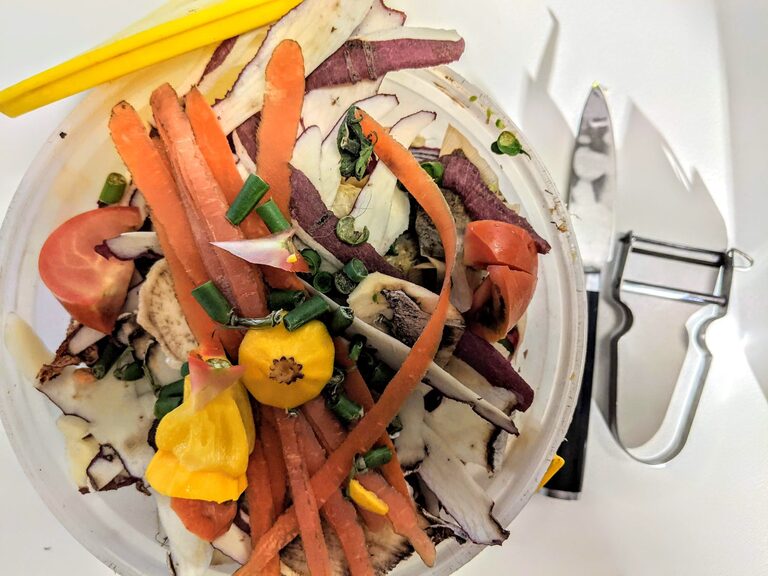
Reducing food waste at home is a win-win for both your wallet and the environment. Each year, millions of tons of food end up in landfills, contributing to pollution and wasting the resources used to produce, transport, and cook that food. By making small changes in your daily habits, you can cut down on waste, save money, and feel good about your impact. Here are some practical ways to reduce food waste in your home.
Why Reducing Food Waste Matters
Before diving into tips, it’s helpful to understand why reducing food waste is important. When food is thrown away, all the water, energy, and labor that went into producing it are lost. Plus, decomposing food in landfills produces methane, a potent greenhouse gas. By wasting less food, you help conserve natural resources and reduce pollution.
Plan Your Meals
One of the best ways to prevent waste is careful meal planning.
– Make a weekly menu: Decide what you’ll eat for the week, including breakfasts, lunches, dinners, and snacks.
– Write a shopping list: Stick to your plan and buy only what you need. Avoid impulse buys that might spoil.
– Check your pantry and fridge first: Use ingredients you already have before buying more.
Shop Smart
When at the grocery store, keeping waste reduction in mind can make a big difference.
– Buy smaller portions: If you live alone or cook for two, opt for smaller packages to avoid leftovers going bad.
– Choose loose produce: Buying fruits and vegetables loose lets you pick only what you need.
– Avoid pre-cut or pre-packaged items: While convenient, they often spoil faster and create extra packaging waste.
Store Food Properly
Correct storage plays a key role in keeping food fresh longer.
– Know your fridge’s layout: Store dairy products higher up to keep them cold, vegetables in crisper drawers, and leftovers in clear containers.
– Use airtight containers or wraps: This keeps moisture in and air out, slowing spoilage.
– Keep the freezer organized: Label and date items so you use older items first.
Understand Expiration Dates
“Sell by,” “use by,” and “best before” dates can be confusing.
– “Best before” means quality: Food may still be safe to eat after this date, but might not be at peak quality.
– Trust your senses: Look, smell, and taste food carefully to judge if it’s still good.
– When in doubt, freeze: If you can’t use something before it spoils, freeze it to extend its life.
Get Creative With Leftovers
Leftover food is often wasted simply because it isn’t used in time.
– Repurpose meals: Use leftover roasted vegetables in soups or pasta.
– Make stock: Bones and vegetable scraps can become a flavorful broth.
– Freeze leftovers: Store single portions for quick meals later.
Compost Food Scraps
Some food scraps are unavoidable, but you can compost them instead of throwing them away.
– Start a compost bin: Kitchen scraps like fruit peels, coffee grounds, and eggshells break down into nutrient-rich soil.
– Use compostable bags: Keep your compost bin clean and easy to manage.
– Learn what can be composted: Avoid meat, dairy, and oily foods in compost piles.
Monitor Waste and Improve
Paying attention to how much food you throw away can help you identify patterns and areas to improve.
– Keep a waste diary: Note what you toss and why.
– Adjust your shopping and portions: Buy less of foods you frequently waste.
– Celebrate progress: Reducing waste even a little is a positive step.
Involve the Whole Household
Reducing food waste is easier when everyone is on board.
– Educate family members: Share why it matters and how to help.
– Assign food waste responsibilities: Have someone monitor the fridge or manage leftovers.
– Make it fun: Try challenges like zero-waste weeks or creative leftover recipes.
Use Technology to Help
Several apps and online tools can assist with meal planning and waste reduction.
– Inventory apps: Track what you have in your pantry and fridge.
– Recipe apps: Find recipes based on ingredients you need to use up.
– Shopping list apps: Organize your grocery trips efficiently.
—
Reducing food waste at home is a simple, practical way to save money, reduce your environmental impact, and get more enjoyment from your meals. With planning, smart shopping, proper storage, and a bit of creativity, you’ll be amazed at how much food waste you can cut down. Start small and build habits that last—your kitchen and the planet will thank you!




More Stories