





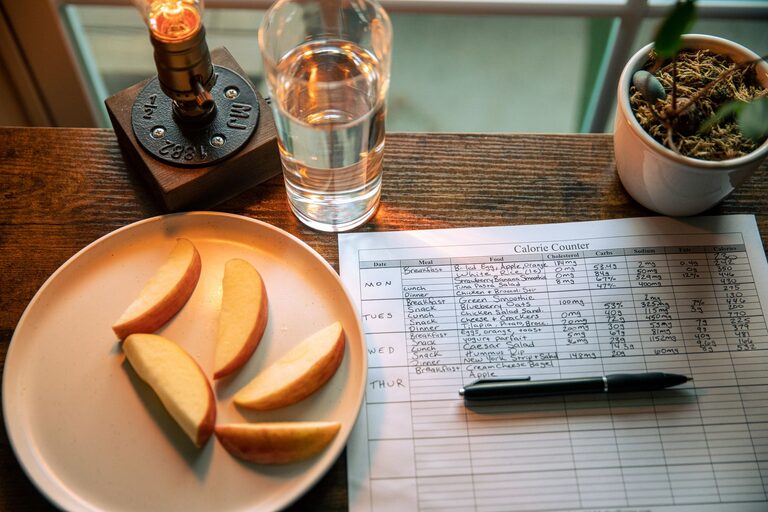
Planning balanced meals doesn’t have to be overwhelming or time-consuming. With the right approach, you can enjoy nutritious, delicious meals that support your health and satisfy your taste buds—without feeling stressed or stuck in a rut. Whether you’re new to meal planning or looking for ways to simplify your routine, this guide offers practical tips and strategies to help you plan balanced meals easily.
What Is a Balanced Meal?
A balanced meal includes a variety of foods that provide essential nutrients your body needs to function well. Typically, it contains:
– Protein: Supports muscle repair and keeps you full. Examples: lean meats, beans, tofu, eggs.
– Carbohydrates: Provides energy. Choose whole grains, fruits, and vegetables.
– Healthy Fats: Important for brain health and hormone production. Sources include nuts, seeds, avocados, and olive oil.
– Fiber: Keeps your digestive system healthy. Found in fruits, vegetables, whole grains, and legumes.
– Vitamins and minerals: Found throughout plant and animal-based foods.
Why Is Meal Planning Important?
Meal planning can help you:
– Save time and reduce last-minute stress.
– Make healthier choices.
– Avoid food waste.
– Stick to a budget.
– Feel more in control of your nutrition.
Step 1: Start with a Simple Framework
Begin with a flexible meal template to guide your choices. For example:
– 1/2 plate vegetables or fruits
– 1/4 plate lean protein
– 1/4 plate whole grains or starchy vegetables
– Small portion of healthy fats
Use this as a guide rather than a strict rule. It helps you quickly assemble meals that are well-rounded.
Step 2: Plan Meals Around What You Enjoy and Have On Hand
Meal planning is easier when you build your menus on familiar ingredients or meals you already like. Consider:
– Your favorite fruits and vegetables.
– Proteins you regularly eat.
– Staples like rice, pasta, or canned beans.
– Ingredients that store well and save time.
Keep a list of go-to recipes or meal ideas that fit your balanced meal framework.
Step 3: Create a Weekly Meal Plan
Set aside 15–30 minutes once a week to plan your meals. Here’s how:
- Review your schedule: Note days when you need quick meals or have time to cook.
- Choose meals that match your energy and time.
- Incorporate leftovers to reduce cooking time.
- Balance your week with variety—try different proteins, colors, and textures.
- Write your plan down or use a digital app.
Step 4: Make a Smart Shopping List
Based on your meal plan, list the ingredients you need. Organize your shopping list by category (produce, dairy, pantry, etc.) for quicker shopping trips. When possible, buy versatile ingredients that can be used in multiple meals.
Step 5: Prep Ahead to Save Time
Meal prep doesn’t mean cooking everything in advance. Small steps can save time and stress:
– Wash and chop vegetables.
– Cook grains or proteins ahead.
– Portion snacks.
– Prepare sauces or dressings.
Even 10 minutes of prep can make meal assembly much faster during busy days.
Step 6: Build Balanced Snacks
Don’t forget about snacks! They keep energy steady and prevent overeating at meals. Combine protein and fiber for lasting fullness, such as:
– Apple slices with peanut butter.
– Greek yogurt with berries.
– Hummus with carrot sticks.
– A handful of nuts and dried fruit.
Tips for Stress-Free Balanced Meal Planning
– Keep it simple: Don’t aim for perfection. Balanced meals don’t have to be complicated.
– Use frozen and canned options: Frozen vegetables and canned beans are nutritious, convenient, and reduce prep time.
– Batch cooking: Prepare large portions of soups, stews, or casseroles to enjoy throughout the week.
– Experiment gradually: Try one new vegetable or recipe each week.
– Listen to your body: Adjust meals based on hunger and satisfaction rather than strict rules.
Sample Balanced Meal Ideas
– Grilled chicken with quinoa and roasted broccoli.
– Stir-fried tofu with brown rice and mixed vegetables.
– Salmon salad with avocado, mixed greens, and a whole-wheat roll.
– Veggie omelet with whole-grain toast and fresh fruit.
Conclusion
Planning balanced meals without stress is achievable with a little preparation and flexibility. Focus on variety, simplicity, and enjoying the process. Over time, meal planning will feel natural and help you maintain a nutritious and satisfying eating routine.
Remember, the goal is progress, not perfection. Start small and build habits that work for your lifestyle!



More Stories
How to Plan Meals Using Pantry Staples for Easy, Tasty Dinners